If you live in Lansing or the surrounding towns, you can feel the shift every spring when project trucks start rolling and dumpsters sprout in driveways. Kitchens and bathrooms lead the charge. A bathroom facelift has outsized impact for the size and cost of the room, and in mid-Michigan, homeowners are getting smarter and more specific about what they want. After two decades working with homeowners and mentoring younger tradespeople, I’ve learned to pay attention to what actually endures once the grout dust settles. Trends sound flashy on Pinterest, but the ones worth watching in Lansing blend practicality with a little local flair.
This guide focuses on bathroom remodeling in Lansing MI, with detours into the kitchen where the lessons overlap. If you’re comparing a contractor in Lansing MI or scoping best bathroom remodeling Lansing ideas, the notes below aim to save you missteps and help translate inspiration into something that works on your street, with your water, weather, and resale expectations.
The Lansing Lens: What’s Unique Here
Every market has quirks. In Lansing, housing stock spans mid-century ranches in neighborhoods like Colonial Village, 70s and 80s colonials in Delta Township and Okemos, and newer builds sprinkled around DeWitt, Holt, and Grand Ledge. Many bathrooms are compact, especially in bungalows and ranches, which makes small bathroom remodeling Lansing strategies essential. Basements matter too, not just for storage but as overflow bath space. Our freeze-thaw cycles, hard water, and older plumbing stacks influence material choices and aging.
I’ve seen the same motif play out: someone falls for a sleek European wet room, then realizes the house has cast iron stacks from 1962 and a floor that slopes 3/8 inch from door to tub. The design can still happen, but we plan differently. Lansing isn’t Chicago or Scottsdale. You want warmer finishes against a long winter, moisture-smart ventilation, and materials that shrug off mineral deposits without constant scrubbing.
Fixtures Are Getting Smarter, But Not Fussy
Smart tech in bathrooms isn’t just voice controls and light shows. In Lansing, the standouts are quiet performers.
Heated floors get more requests every year, and for good reason. Hydronic systems make sense in larger spaces and new builds, but for remodels, electric heat mats under tile do the job. Expect an extra 1/4 inch in floor buildup, sometimes 3/8 inch once you add uncoupling membrane and tile. In small bathrooms, a heated floor can be installed for roughly a few thousand dollars, depending on square footage and tile choice. It’s one of the few splurges I see people love five winters later.
Smart exhaust fans are another subtle upgrade. Look for models with humidity and motion sensors, low sone ratings for noise, and a timer setting. The key is venting them correctly. I’ve opened too many soffits to find a fan dumping steam into insulation. Proper roof or wall termination, insulated duct runs, and backdraft dampers protect your attic and keep mold from creeping in. On older homes near the stadium or downtown, upgrading the fan and ductwork can quietly solve peeling paint and persistent mildew.
Bidet seats land on about a quarter of projects now. Many clients choose non-electric seats with mechanical controls to avoid running a new outlet. If you go electric, plan a GFCI-protected outlet behind the toilet at seat height. Hard water can clog the nozzles over time, so filter options or regular descaling matter.
As for digital showers, they’re still a niche. Touchscreen valves look slick, but replacement parts aren’t always stocked locally. If you must have push-button presets, choose a brand the bigger Lansing suppliers carry, and make sure your contractor leaves access to the control valves. The analog single-handle pressure-balanced valve still wins for reliability and cost.
The Tile Story: Bigger, Warmer, Smarter
Tile trends in Lansing are moving toward larger formats and fewer grout lines. Ten years ago, 12-by-24 inches felt large. Now 24-by-48 inch porcelain is common for walls and big floors, especially in primary baths. Fewer joints mean easier cleaning in our hard water context. The trade-off is substrate prep. Large tiles demand flatter walls and floors. That adds labor, but the crisp look and low maintenance sell it.
Texture is shifting too. The “all gray everything” look still lingers, but more homeowners are reaching for earthy tones, matte finishes, and porcelain that mimics limestone, soapstone, or lightly veined marble. In a small bathroom remodeling Lansing project, a mid-tone floor tile with a softly variegated pattern hides lint and stray hair, a small but real daily benefit.
In showers, I favor porcelain over natural stone 90 percent of the time. Stone is beautiful, but even with a good sealer, Lansing’s water leaves rings on marble benches and stains in limestone niches. Porcelain slabs on shower walls are trending, but they require experienced installers, strong helpers, and meticulous planning. If you want the drama without the logistics, use large porcelain tiles with tight joints and a matched grout color. For floors, smaller hex or mosaic tiles still make sense for traction on slopes to the drain.
Grout technology has improved. High-performance cementitious grouts resist staining better than old mixes, and urethane or epoxy grouts go further, though they cost more and require skill to install. Many homeowners choose a performance cement grout in a color that won’t advertise every water spot. Think warm gray or taupe, not stark white.
Shower-First Design in Compact Baths
In small Lansing bathrooms, the shower is the star. Tubs are leaving, but not everywhere. For homes likely to sell to young families, keep at least one tub somewhere in the house. For the primary bath, a well-designed shower beats a tub combo almost every time.
I often suggest a 36-by-48 or 42-by-60 shower footprint in a small bathroom if space allows. A low-profile, solid-surface receptor is a smart compromise between full custom tile pan and acrylic alcove. They’re sturdy, warm underfoot, and easier to keep clean. If you want a tile pan, invest in a modern waterproofing system like a bonded membrane. Traditional mortar beds still work, but I see fewer of them given scheduling efficiencies with newer systems.
Glass enclosures with minimal framing are popular, though full frameless glass costs jump fast. Pay attention to water direction. I prefer a fixed glass panel with a hinged door that opens out, and I aim to point the shower head away from the door gap. In tight rooms, a sliding glass panel can save swing space. Tall glass, 80 inches or higher, helps trap heat but makes ventilation more important.
Benches and niches sound simple, yet they cause a surprising percentage of callbacks. Benches need a pitch to shed water; niches need a slight slope and full waterproofing before tile. A surface-mounted metal shelf can sidestep niche complexity in a small shower while still looking intentional. Grab bars are gaining traction among all ages. Stylish models in matte black or brushed nickel no longer scream “hospital,” and blocking the walls for future installation costs little and saves headaches.
Vanities, Storage, and the Rise of Bathroom “Pantries”
Storage is the quiet success metric of a bathroom remodel. Floor-standing vanities make sense in older homes where floors are less than perfect. For a cleaner look, floating vanities are trending, opening floor space visually. In small bathrooms, I’ve used 18 or 19-inch-deep cabinets to buy elbow room without sacrificing function. If you choose a floating vanity, reinforce the wall with plywood during rough-in. You want multiple structural fasteners, not just anchors in drywall.
Countertops lean toward quartz and solid surface. Quartz is durable and predictable. In powder rooms, I’ll sometimes greenlight a remnant piece of natural stone for character, but in full baths, quartz avoids etching and maintenance. Undermount sinks in porcelain remain the workhorse. Vessels still appear in powder rooms, less so in busy family baths, where they splash and steal counter space.
Medicine cabinets are back, and not just the rattly, shallow boxes of old. Recessed, fog-free mirrors with built-in lights and outlets solve clutter and charging. If your wall has plumbing or the studs don’t allow recessing, a well-designed surface-mount cabinet can still look tailored. Tall linen cabinets where space allows will out-earn their cost in daily use. When hall closets are far from the bath, I often add a “bath pantry,” a tall cabinet with adjustable shelves and shallow drawers for towels, paper goods, and small appliances.
Lighting That Flatters Without Complication
Harsh overhead lights make even a new bathroom feel tired. Layered lighting solves this: ceiling lighting for general brightness, sconce lighting at face level for grooming, and shower-rated light in the wet zone. I like sconces mounted 65 to 70 inches off the floor, spaced to flank the mirror when possible. If the mirror spans the wall, bar lights above with diffusion work, but avoid single point sources that cast shadows. Warm color temperature around 2700 to 3000K flatters skin tones and harmonizes with warmer tiles and wood accents that are trending.
Dimmers aren’t just mood setters. In winter mornings, gradually ramping light helps everyone wake without a shock. If you already use smart switches in your kitchen remodeling Lansing MI projects, extend that logic to the bath with caution. Just ensure compatibility with fan motors and LED drivers. A simple, reliable dimmer often beats a complex app-only setup.
Water, Heat, and Lansing’s Bones
Older Lansing homes often have galvanized supply lines or cast iron drains. During bathroom remodeling, it’s wise to replace as much of that as you can reach with PEX or copper for supply and PVC for drains. I’ve measured water pressure swings caused by ancient valves that choke flow, leading to tepid showers when a toilet flushes. A modern pressure-balanced valve evens things out.
Hard water is a reality. It leaves scale on glass, blocks aerators, and dulls chrome. Matte black and brushed finishes hide spots better but still need care. Consider a whole-house water softener if you’re redoing multiple bathrooms or combining with kitchen remodeling. Be sure to set the softener correctly for your household so you don’t taste overly slick water. At minimum, use clear squeegees in showers and high-quality sealer on grout.
Ventilation ties into our climate. Bathrooms become moisture factories, and sealed homes hold that moisture longer. If your contractor recommends a higher CFM fan, listen. For a primary bath with a large shower, 110 to 150 CFM is common. Duct runs should be short, smooth, and insulated if they pass through cold spaces. I’ve replaced more than one fan where frost in the duct thawed and dripped back through the grille, staining new paint. Spending a bit more on the right parts is cheaper than repainting twice.
Color and Texture: Cozy Beats Clinical
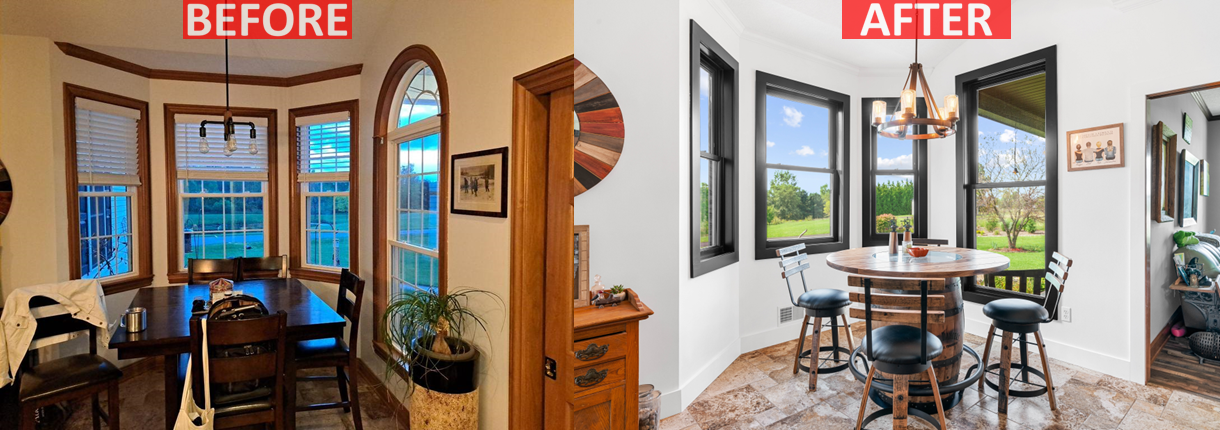
Michigan winters push design toward warmth. You’ll see more oak vanities in natural or light stain, not just painted shaker. Reeded or slatted wood accents add texture that plays well with porcelain stone-looks. Greens and blues are still popular, but the trend is dialing back on saturated colors and leaning into muted, earthy tones. Terracotta accents, clay-like paint colors, and brass or champagne hardware lend a friendly glow without tipping into farmhouse kitsch.
For walls, semi-gloss paint used to be standard. Modern bath-specific matte or satin finishes resist moisture without the shine. If your bathroom lacks natural light, soft off-white with a warm undertone keeps things bright while staying cozy. A common mistake is pairing a cool gray tile with a warm paint or vice versa. Bring samples into the actual room and check them under your lighting, morning and night. The wrong kelvin temperature can make your expensive tile look dingy.
The Shower Niche vs. Shelf Debate
It’s funny how much thought goes into where shampoo bottles live. Niches look clean and custom, but they’re a waterproofing risk if rushed. I approve them when the wall cavity is clear of plumbing and when the tile layout lets us frame the niche to exact tile modules. That way, cuts align cleanly. In tight timelines or complicated layouts, I’ll suggest a surface shelf in a matching metal finish. They mount through tile into solid blocking and don’t interrupt the waterproof layer. For families, a low bench plus a slim shelf beats a tall niche that kids can’t reach.
Accessibility Crafted In, Not Tacked On
Universal design isn’t only for aging-in-place projects. Thoughtful details help everyone. Curbless showers are on the rise in Lansing, and I’m glad. They require planning: recessing the subfloor or elevating the bathroom floor to maintain slope. In second-floor baths of older homes, structure often dictates whether curbless works. When it does, it’s seamless and easy to clean. When it doesn’t, a low curb with a gentle bevel is a workable compromise.
Wider doorways, lever handles, and sturdy backing for future grab bars are low-cost moves that don’t announce themselves. I often aim for 34-inch doors when space allows. Handheld shower wands on a slide bar, positioned opposite the valve, make rinsing off and cleaning the shower easier. If someone in the home has mobility challenges, a folding bench with solid anchoring and non-slip tile texture underfoot can transform daily routines without visual clutter.
Budgets That Reflect Reality
Price ranges vary, but in greater Lansing, a cosmetic refresh in a small bath might land in the teens, while a full gut rebuild with new plumbing, tile, glass, and custom cabinetry can move through the twenties into the forties, depending on size and selections. Larger primary suites with structural work, heated floors, and high-end fixtures go higher. Material choices swing totals more than people expect. A tile selection that’s five or six dollars more per square foot might only add a few hundred dollars, while custom glass or a complex vanity can add thousands.
Contingency matters. On older houses, I advise a 10 to 15 percent contingency fund to cover surprises like rotted subfloors around old tubs, improperly vented fans, or noncompliant electrical. If you’re also eyeing kitchen remodeling, coordinate projects for shared trades like electricians and plumbers. Many contractor Lansing MI teams will price more competitively when they can keep a crew rolling from bath to kitchen without downtime.
Permits, Inspections, and Doing It Right
Bathroom remodeling Lansing MI homes often requires mechanical, electrical, and plumbing permits. Pull them. Inspectors here are practical and focus on safety and code compliance. Skipping permits to save a few weeks can bite you during appraisal or resale. I’ve seen delayed closings over unpermitted bath work. A reputable contractor will handle the paperwork, schedule inspections, and welcome a second set of eyes. If your contractor resists, that’s a red flag.
Timeline-wise, small baths typically take three to five weeks once demo starts, assuming materials are on hand. Add time for custom glass after tile is complete. Lead times ebb and flow; during busy seasons or supply hiccups, special-order vanities can take eight to twelve weeks. Lock in selections early. If you’re planning both bathroom and kitchen remodeling Lansing MI updates, secure appliances, vanities, and tile before you schedule demo. A good schedule feels like choreography, not chaos.
Where DIY Fits, and Where It Doesn’t
Plenty of homeowners in Lansing are handy. Painting, hardware swaps, even setting a toilet after the floor is finished can be weekend wins. But waterproofing showers, tiling large-format porcelain, and rerouting plumbing are not learn-as-you-go tasks. Water is relentless. A pinhole mistake can show up months later as a stain on the ceiling below. If the budget is tight, partner with a contractor for structure, waterproofing, and tile, then take on painting and accessories yourself. Your contractor may also let you handle fixture purchasing if you’re disciplined, though professionals often get better pricing and know which models play nicely with each other.
Kitchen Lessons That Carry Over
Work in kitchens informs bathrooms and vice versa. Durable surfaces rule. In kitchens, we choose quartz because it laughs at spaghetti sauce. In bathrooms, the same resistance saves you from hair dye or makeup. Hardware finishes should coordinate across rooms, even if they’re not identical. If you upgraded to soft-close drawers in the kitchen, you’ll miss them in the bath if you don’t match. Lighting color temperature should be consistent through both spaces to avoid that odd sensation where one room feels like a clinic and the next feels like a lounge. The best bathroom remodeling Lansing projects learn from the efficient storage and lighting planning in great kitchens.
Picking the Right Pro
You can feel the difference between a contractor who just fine tunes a template and one who listens to how you live. Portfolios matter, but so do conversations. Ask how they handle water management details. Request examples of past projects with similar constraints. If your bath is in a 1950s ranch, you want someone who knows that style of framing, flooring, and plumbing, not just a gallery of new builds. References should include clients from a year or more ago so you can ask how things are holding up.
Also, ask who’s actually doing the work. Some contractor Lansing MI firms self-perform tile and carpentry, others subcontract. There’s no right answer, but you should know who shows up at 8 a.m. and who holds the warranty. Clarify dust control, daily cleanup, and access plans. A professional will have a rhythm: floor protection, ZipWalls for containment, HEPA filters, and end-of-day tidying that makes living through the remodel tolerable.

Sustainability With Common Sense
Green talk is easy. Real sustainability means choices that last and require less replacement. Porcelain tile wins over vinyl in longevity. Quality fixtures with replaceable cartridges outlast bargain-bin valves. LED lighting with good CRI reduces energy use and eye strain. Low-flow shower heads have improved to the point where most people won’t notice the difference if pressure-balanced valves are right. If you’re reworking layout, consider daylight. A properly sized and flashed skylight in a single-story bath can transform the space, though our snow loads and roof types mean you want a roofer who understands Michigan winters.
A Simple Pre-Remodel Checklist
- Measure everything twice, including doorways, ceiling height, and the route from driveway to bath for material movement. Confirm electrical capacity for heated floors, bidet seats, and added lighting, and plan GFCI placement. Choose materials early, check stock, and order long-lead items before demo. Decide on tub versus shower with resale and family needs in mind, not just aesthetics. Build a contingency of 10 to 15 percent for hidden issues in older homes.
Mistakes I’d Avoid if It Were My House
Skipping a real fan. A whisper-quiet 110 CFM fan that actually vents outside will save paint, trim, and mirrors. The cheap one that rattles will stay off, and the room will suffer.
Glossy floor tile. It looks stunning in showroom lights and treacherous in wet socks. Choose textures with a slip rating suitable for wet areas.
White grout on shower floors. Even with good sealers, it will gray in short order. A medium tone hides the daily cycle of water and dust.
A niche without a plan. If tile modules don’t align and waterproofing isn’t perfect, you’ve paid a lot for an awkward cutout that leaks. Either plan it right or pick a shelf.
Trend-chasing without a thread. A modern kitchen remodeling black grid shower, brass vanity lights, and chrome faucet fight each other. Pick a palette and finish family, then mix accents with intention.
Where the Trends Are Heading Next
Lansing tastes are moving toward calm, warm, and tactile. Think soft whites with clay undertones, oaks and walnuts, quiet stone looks in porcelain, and lean, unfussy fixtures. Showers are becoming rooms in their own right, with thoughtful benches and handhelds rather than sprawling car washes. Storage is smarter and closer to the action. Tech is subtle: floors that warm your feet, fans that clear the air, mirrors that never fog. Kitchens and bathrooms are learning from each other, blending durability with hospitality.
Best bathroom remodeling Lansing projects don’t chase novelty. They respect the bones of a Michigan house, solve for our water and winters, and give you a space that feels right at 6 a.m. in February and on a July evening after mowing the lawn. If you find a contractor who speaks that language, your bath will age gracefully, and you’ll smile every time your toes hit that warm tile.